Clean water, new possibilities for women
Across the globe, access to clean water and sanitation can lead to one of the biggest transformations in women’s lives. Women are problem-solvers, innovators, and community builders, yet they can’t fully step into these roles when the essentials of a safe and healthy home are missing. A home is more than four walls and a roof. It includes the basic systems that support a family’s well-being, including access to clean water.
In rural Côte d’Ivoire, where women carry the weight of both poverty and gender inequality, many spend countless hours each day collecting water. This daily task takes time away from earning an income, caring for their family and participating in their communities — and often requires long, unsafe travel.
Philomene experienced this every day. Not long ago, Philomene’s day began at 4:00 a.m. As a cocoa farmer and mother of four, she would walk two kilometres each day to reach the nearest water source. The water she collected was often unsafe, making her children sick. And when the source ran dry, Philomene had to leave the cocoa fields early to try again, adding more strain to her family’s daily life.
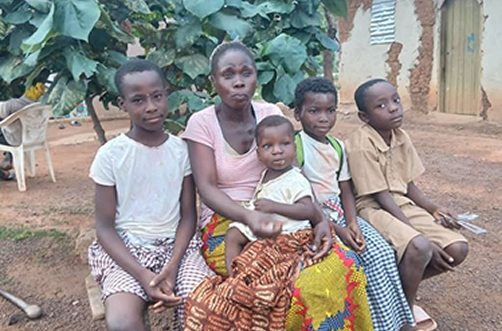
Supported by Habitat Canada donors through our Global Neighbours program, Habitat has partnered with cocoa farming communities in Côte d’Ivoire to build community water points and latrines. With clean water close to home, women no longer need to wake before dawn or leave their fields early to collect it, and children can attend schools with safer sanitation facilities. The impact has been profound.
“This project has brought hope to all the women in the village.… In less than 10 minutes, I have access to clean water. I save time to take care of my household chores and my crops.” — Philomene
Improved water access touches every area of a woman’s life, from her physical and mental health to her finances, education opportunities, and ability to take on leadership roles in her community.
Today, Philomene has more time in the cocoa fields to plant and tend her crops. Her family’s income is more stable, her four children are healthier, and she’s taken on a leadership role supporting others in her village to adopt safe hygiene and sanitation practices. When clean water becomes part of a home, women gain time, safety and opportunity.